

The Lion Pride Museum Fall 2026
Preview
Publication Date
Fall 11-11-2026
Place (Bibliographic Info)
Author/Creator: Raine Portress – Interpretive section
Publication Date/ Place: Contemporary digital exhibit section
Description
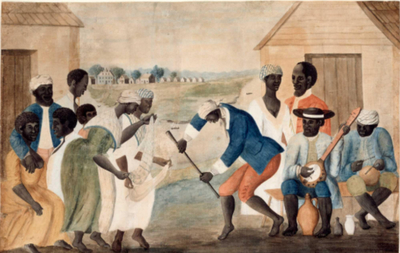
The American Revolution created major political changes, but not everyone had the same opportunity to participate. Women faced restrictions on their involvement in formal political decision-making, while enslaved people experienced the period under systems that denied them freedom and political equality. People with limited access to education, printed materials, money, or political connections also faced barriers to participating in public discussions.
These experiences were not all the same. Abigail Adams's letter shows one example of a woman trying to influence political decisions through private correspondence. Enslaved people faced a different and more severe set of barriers because they were denied freedom and excluded from the political rights being debated. The documents in this exhibit do not represent every person's experience, but they help visitors recognize whose voices were more likely to appear in surviving political records.
The issue of information inequality did not end with the American Revolution. Today, access to education, technology, reliable news, and the internet can influence who has the ability to understand current issues and participate in civic life. Having information available does not always mean everyone has the same opportunity to access it or use it.
Keywords
American Revolution